
Grand Ideas: How Our No-Phone Policy Revitalized Our Afterschool Programs
“Experience, not information, is the key to emotional development.” - Jonathan Haidt, The Anxious Generation
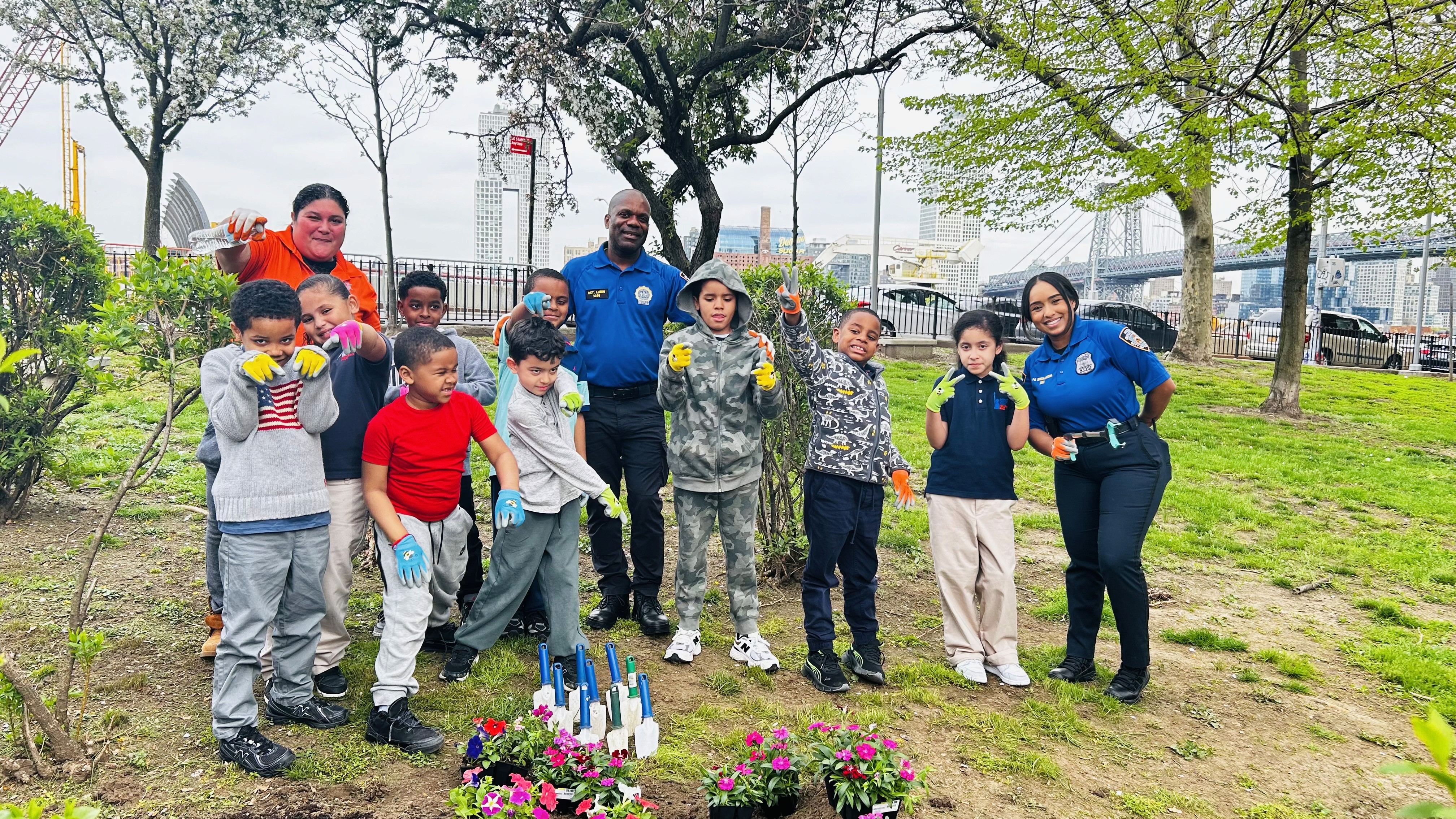
At the beginning of this school year, Grand St. Settlement’s afterschool programs followed the leadership of Governor Kathy Hochul and decided to ban the use of cell phones in our programs.
Children in New York City have been noticeably struggling in recent years, but especially since COVID-19 changed our status quo. No longer were children experiencing the world around them. Suddenly, they were watching it. Social media use skyrocketed and launched new risks for youth as they became exposed to all corners of the internet.
Instead of walks to school, kids opened laptops. Hands-on learning suddenly stopped, and children sat alone behind screens. Classrooms filled with chatter, curiosity, and giggles were replaced with silent Zoom rooms where teachers strained to engage their kids.
Outside of class, a new social media platform, TikTok, created the illusion of togetherness, and our youth sat still, scrolling endlessly for drips of dopamine.
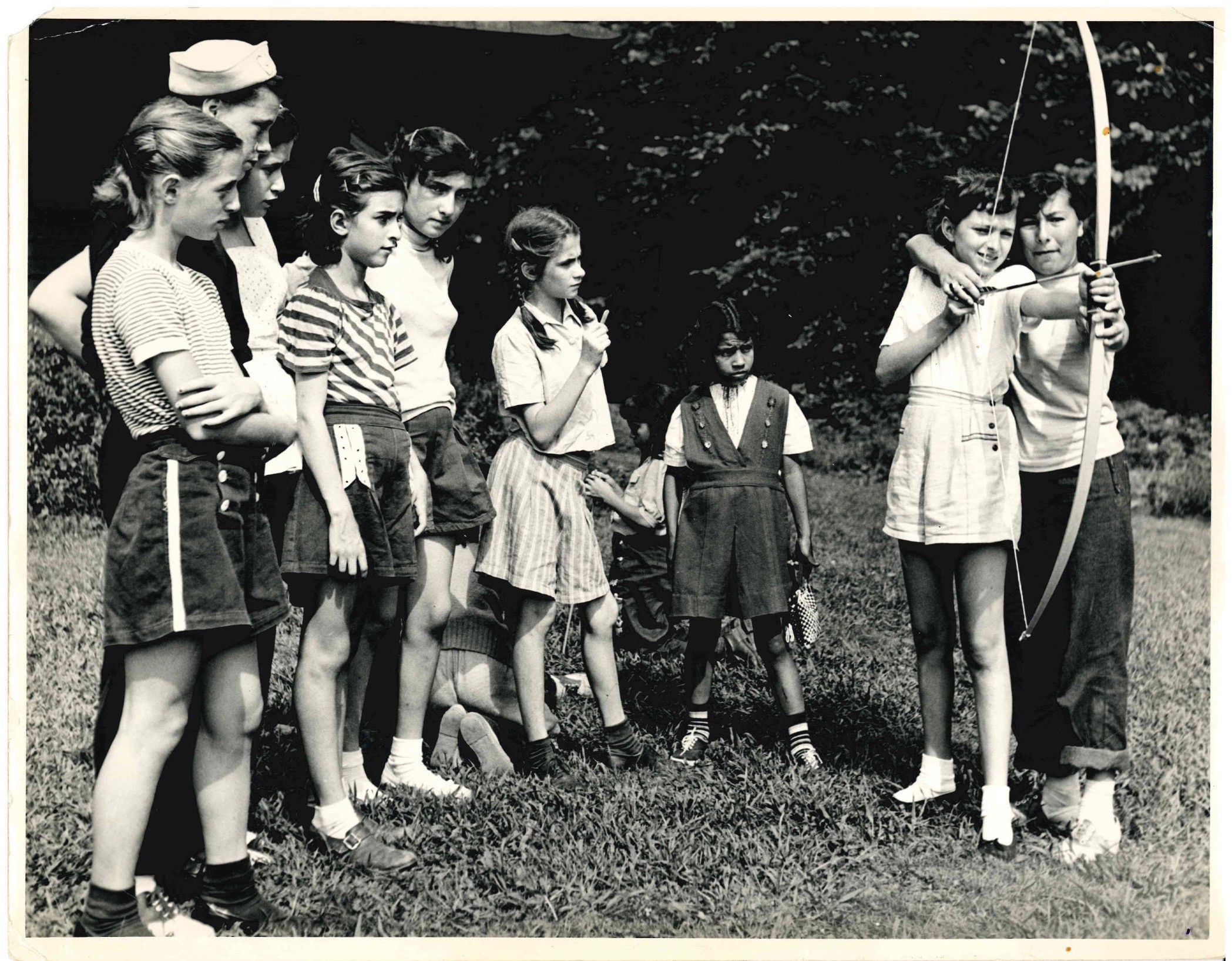
Grand St. Settlement has run youth development programs since 1907, when our Founder, Rose Gruening, launched a summer camp upstate. The idea was to get children out of the City where pollution and disease were rampant, and get them into the fresh air where they could explore new experiences.
Today, our work at community centers throughout the Lower East Side and Brooklyn shares the same ethos. The pollution clogging their attention spans and the contagious urges to be up on the latest trend have spread sicknesses among kids unconsciously. By keeping phones out of our afterschool programs, our participants would be able to get fresh air and new experiences.
The evidence supporting this move isn’t just anecdotal. Half of children under the age of 8 years old have their own mobile device or tablet. A recent study by the University of South Florida showed that posting to social media doubled the chances of depression in children and that 6 in 10 respondents experienced online cyberbullying.
More and more supportive evidence is coming out showing that kids of all ages, whether young children or teenagers, need more time in the physical world and less time in the virtual world. The social-emotional toll that social media and the internet have on youth is greater than they are able to manage alone.

Since the ban, our staff and participants have noticed a difference. Gustavo Amigon, Program Director for PS 84’s afterschool program, says the change can be felt among the students. “At first it was hard for them to adjust, but over time they became independent and very interactive,” said Gustavo. “Our Participants definitely have more conversations and interactions throughout the day. Their behavior has also improved, and they’re more receptive to feedback. ”And it’s not just the staff, the kids feel it too. Mia, a 7th grader in our programs, agreed. “I have more fun, and I don’t feel stressed out about checking my phone.”
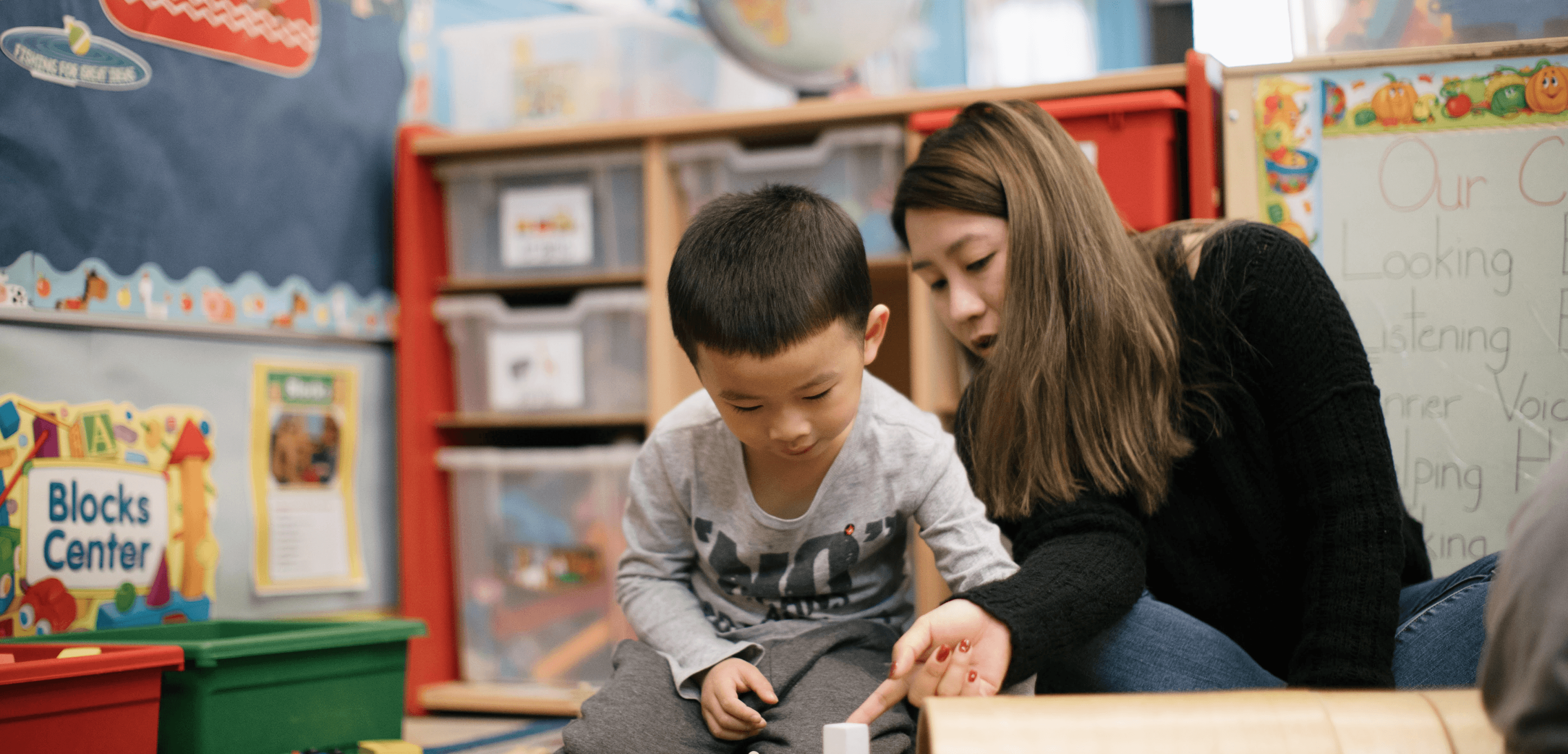
But let’s be clear — this doesn’t mean we should go back to the Stone Age. Science, technology, engineering, art, and math (STEAM) are the cornerstones of our programs. Just last year, graduating seniors from our Best Buy Teen Tech Center built nationally recognized robotics and landed sought-after internships before attending universities like Carnegie Mellon, Rochester Institute of Technology, and New York University to pursue degrees in STEAM.
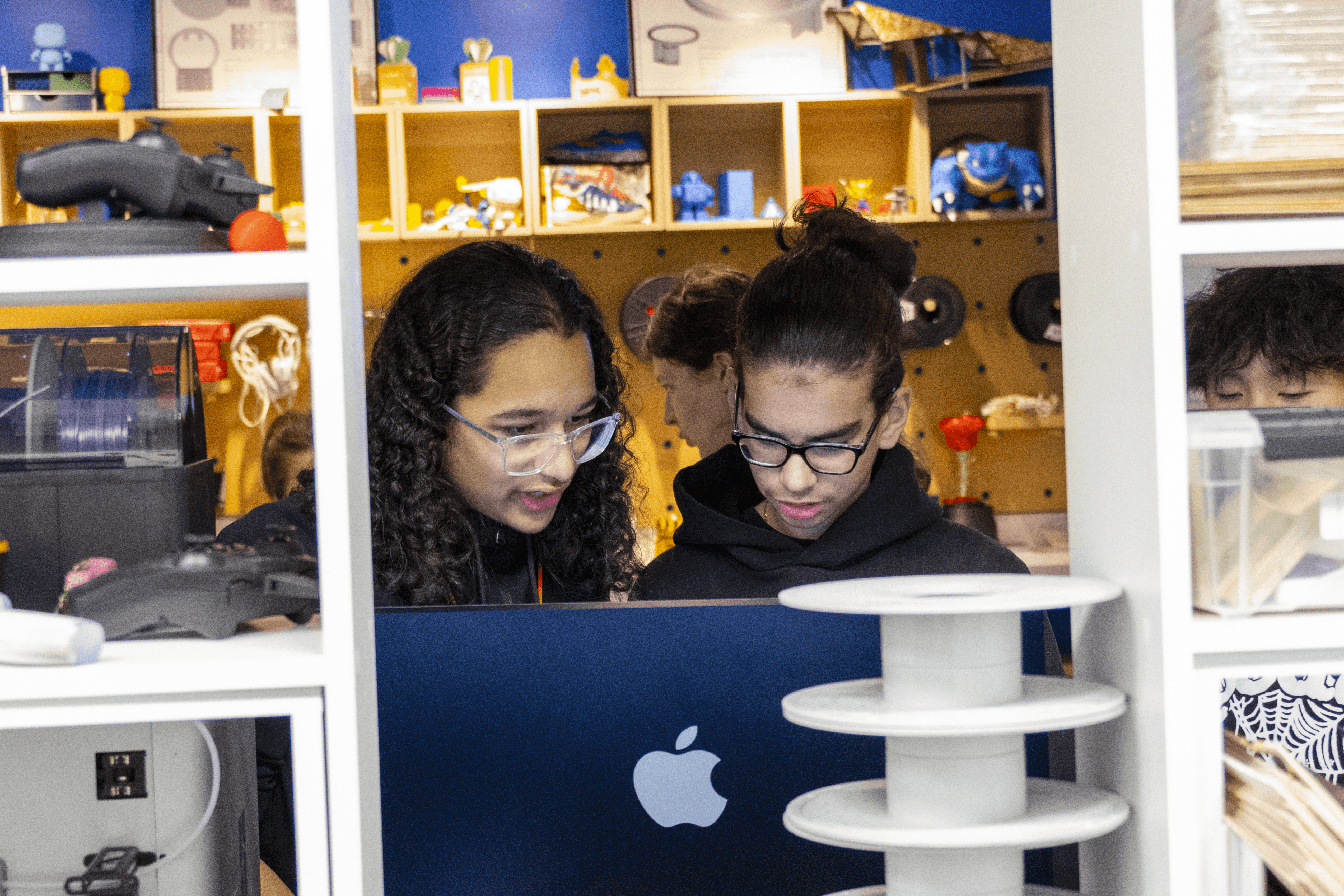
Technology is all around us, and hiding from it doesn’t help, but young people need to be guided through their experiences, not given unfettered access. We aren’t removing technology from their lives, but teaching them how to interact with it. By introducing them to graphic design, coding, or video game design alongside trusted mentors, youth can learn and explore in safe environments instead of stepping into the wilderness of the internet alone.
It’s been over 100 years since Rose Gruening began our work supporting young New Yorkers, and even though the hardware may look different, the operating system is the same. Kids need real-life connections, guidance, and opportunities to explore their surroundings. We know that our new cell phone policies and those at schools throughout New York will help them grow into well-adjusted, capable, and connected adults.
Thanh Bui has over two decades of experience in youth development and serves as the Chief Program Officer for Grand St. Settlement, overseeing dozens of youth programs throughout the Lower East Side and Brooklyn.
“Experience, not information, is the key to emotional development.” - Jonathan Haidt, The Anxious Generation
At the beginning of this school year, Grand St. Settlement’s afterschool programs followed the leadership of Governor Kathy Hochul and decided to ban the use of cell phones in our programs.
Children in New York City have been noticeably struggling in recent years, but especially since COVID-19 changed our status quo. No longer were children experiencing the world around them. Suddenly, they were watching it. Social media use skyrocketed and launched new risks for youth as they became exposed to all corners of the internet.
Instead of walks to school, kids opened laptops. Hands-on learning suddenly stopped, and children sat alone behind screens. Classrooms filled with chatter, curiosity, and giggles were replaced with silent Zoom rooms where teachers strained to engage their kids.
Outside of class, a new social media platform, TikTok, created the illusion of togetherness, and our youth sat still, scrolling endlessly for drips of dopamine.
Grand St. Settlement has run youth development programs since 1907, when our Founder, Rose Gruening, launched a summer camp upstate. The idea was to get children out of the City where pollution and disease were rampant, and get them into the fresh air where they could explore new experiences.
Today, our work at community centers throughout the Lower East Side and Brooklyn shares the same ethos. The pollution clogging their attention spans and the contagious urges to be up on the latest trend have spread sicknesses among kids unconsciously. By keeping phones out of our afterschool programs, our participants would be able to get fresh air and new experiences.
The evidence supporting this move isn’t just anecdotal. Half of children under the age of 8 years old have their own mobile device or tablet. A recent study by the University of South Florida showed that posting to social media doubled the chances of depression in children and that 6 in 10 respondents experienced online cyberbullying.
More and more supportive evidence is coming out showing that kids of all ages, whether young children or teenagers, need more time in the physical world and less time in the virtual world. The social-emotional toll that social media and the internet have on youth is greater than they are able to manage alone.
Since the ban, our staff and participants have noticed a difference. Gustavo Amigon, Program Director for PS 84’s afterschool program, says the change can be felt among the students. “At first it was hard for them to adjust, but over time they became independent and very interactive,” said Gustavo. “Our Participants definitely have more conversations and interactions throughout the day. Their behavior has also improved, and they’re more receptive to feedback. ”And it’s not just the staff, the kids feel it too. Mia, a 7th grader in our programs, agreed. “I have more fun, and I don’t feel stressed out about checking my phone.”
But let’s be clear — this doesn’t mean we should go back to the Stone Age. Science, technology, engineering, art, and math (STEAM) are the cornerstones of our programs. Just last year, graduating seniors from our Best Buy Teen Tech Center built nationally recognized robotics and landed sought-after internships before attending universities like Carnegie Mellon, Rochester Institute of Technology, and New York University to pursue degrees in STEAM.
Technology is all around us, and hiding from it doesn’t help, but young people need to be guided through their experiences, not given unfettered access. We aren’t removing technology from their lives, but teaching them how to interact with it. By introducing them to graphic design, coding, or video game design alongside trusted mentors, youth can learn and explore in safe environments instead of stepping into the wilderness of the internet alone.
It’s been over 100 years since Rose Gruening began our work supporting young New Yorkers, and even though the hardware may look different, the operating system is the same. Kids need real-life connections, guidance, and opportunities to explore their surroundings. We know that our new cell phone policies and those at schools throughout New York will help them grow into well-adjusted, capable, and connected adults.
Thanh Bui has over two decades of experience in youth development and serves as the Chief Program Officer for Grand St. Settlement, overseeing dozens of youth programs throughout the Lower East Side and Brooklyn.

Join Our Newsletter
Stay up to date with events, programs, or advocacy opportunities to support the Grand Street mission.
Join Our Newsletter
Stay up to date with events, programs, or advocacy opportunities to support the Grand Street mission.
Join Our Newsletter
Stay up to date with events, programs, or advocacy opportunities to support the Grand Street mission.
2024 Grand Street Settlement. All right reserved.
80 Pitt Street, New York, NY 10002
212-674-1740




Grand St. Settlement is a registered 501(c)(3)
2024 Grand Street Settlement. All right reserved.
80 Pitt Street, New York, NY 10002
212-674-1740
Grand St. Settlement is a registered 501(c)(3)